
Open or Enclosed Electric Delivery Tricycle? A Fleet Buying Guide
Choose an electric delivery tricycle around the goods being carried and the route being served. An enclosed cargo body gives the buyer a different loading arrangement from an open vehicle, but the word enclosed does not establish weather sealing, security or refrigeration. Those features need their own specification. Begin with parcel dimensions, access requirements, rated load and the distance between charging opportunities.
This guide uses Mingdao's Enclosed Electric Delivery Tricycle and Open Electric Tricycle for Urban Delivery as two catalogue references. It also considers when a two-wheel delivery motorcycle deserves a separate evaluation. Product details were reviewed on November 4, 2026. The comparison distinguishes published features from questions that still need a written answer for a fleet order.
Start with the load, not the vehicle photograph
A delivery vehicle carries a working load, not a catalogue category. Record the dimensions, weight and handling needs of the actual goods. A route moving cartons between shops differs from one serving individual households. The number of stops, parcel shapes and collection process can affect the useful body arrangement as much as the distance travelled.
Measure a representative set of packages, including the largest awkward item. Record how many packages leave the depot together and whether the operator collects returns during the route. Returns may occupy space that looked available at dispatch. A buyer who checks only the outbound shipment can underestimate the space needed near the end of a delivery round.
Ask for the vehicle's rated load and the load-distribution instructions. The reviewed product pages do not establish a payload figure suitable for every order. Do not calculate an allowable load from the floor area, axle count or motor wattage. Request the supplier's specification for the exact body and battery configuration being quoted.
Goods can also impose requirements beyond size and mass. Products that need temperature control, sanitary handling or protection against damage require a suitable specified system. A closed cargo compartment should not be described as food-safe, insulated or refrigerated unless the actual construction and supporting information establish those features. Make the cargo requirement explicit at the first enquiry.
What do the two Mingdao delivery listings show?
The enclosed electric delivery tricycle lists a 1200W motor, a 72V lead-acid battery configuration and a carrier size of 1.6 by 1.1 metres. Its published range is approximately 80–90 kilometres. The open electric tricycle also lists a 1200W motor, with a 60V lead-acid configuration and a published range of approximately 50–60 kilometres.
These are catalogue descriptions, not results of a controlled comparison between the two vehicles. The battery configurations differ, and the listings do not provide matching test conditions. A fleet buyer cannot use the two range statements to calculate a universal percentage improvement or predict a delivery shift without further information.
The carrier measurement on the enclosed listing also needs clarification. Ask whether 1.6 by 1.1 metres describes the internal usable floor, an external platform or another reference. Loading volume requires usable height as well. Door openings, wheel housings and other intrusions may determine whether a carton fits even when the nominal floor dimensions appear sufficient.
Use the product links to obtain complete specifications for both candidates. The same motor figure does not establish equal loaded performance, and a different battery voltage does not establish a preferred vehicle. The useful comparison includes the body arrangement, permitted load, charging schedule, route conditions and the operator's access to the goods.
| Comparison point | Enclosed delivery tricycle listing | Open urban delivery tricycle listing |
|---|---|---|
| Motor | 1200W | 1200W |
| Battery chemistry and voltage | 72V lead-acid configuration | 60V lead-acid configuration |
| Published range | Approximately 80–90 km; conditions to confirm | Approximately 50–60 km; conditions to confirm |
| Carrier measurement | 1.6 × 1.1 m; measurement basis to confirm | Request full usable dimensions |
| Payload and body protection | Request model-specific specification | Request model-specific specification |
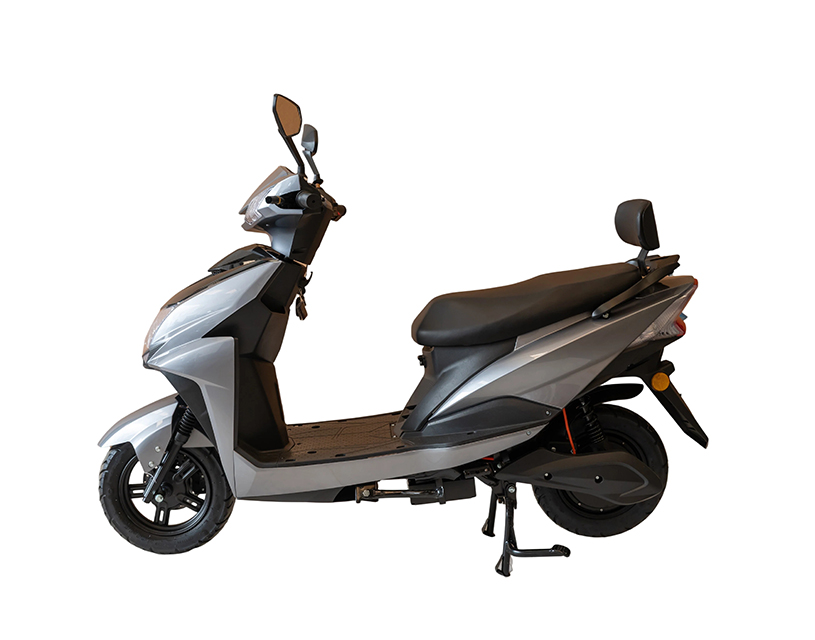
Alternative vehicle category: Mingdao Electric Motorcycle for Delivery. Confirm approved cargo fittings and load for the selected configuration.
When does an enclosed cargo body deserve consideration?
An enclosed electric delivery tricycle deserves consideration when goods need a defined compartment and the loading process suits that body. The buyer should examine the opening size, access direction and method of securing the doors. A compartment that holds the required volume may still be inconvenient if the operator cannot reach parcels without unloading other goods.
Ask how the body is constructed and what protection is specified. Enclosure alone does not establish a watertight seal, a particular resistance to theft or suitability for fragile goods. Request details of joints, openings, locks and any drainage or ventilation arrangements relevant to the cargo. Use those details to assess the job rather than filling the gaps with assumptions.
The loading sequence can make a large difference to day-to-day use. Consider how parcels are arranged for the first, middle and last stops. If the operator opens the same door at every delivery, confirm that it can be used in the expected parking positions. Check the space required to open it fully and retrieve the largest item.
A fleet buyer can prepare a simple loading demonstration with representative empty packages before committing to a body design. Photograph the arrangement and record which dimensions limit access. This is a practical packaging exercise, not a substitute for payload approval. The accepted body drawing and the rated load should remain separate, clearly identified parts of the order specification.
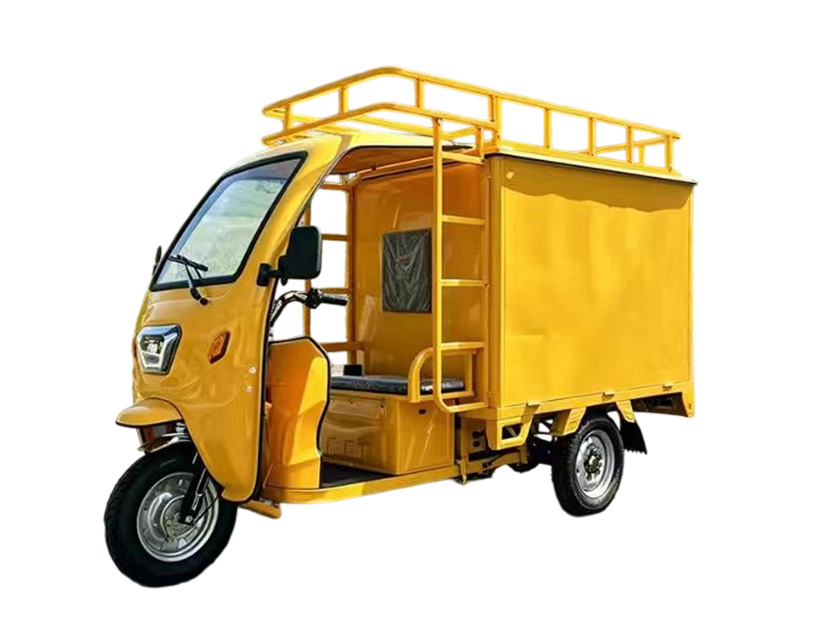
Product photograph: Mingdao Enclosed Electric Delivery Tricycle. Cargo-body dimensions, door arrangement and payload require order-specific confirmation.
When should buyers examine the open vehicle?
An open electric tricycle gives buyers a different body layout to assess, particularly where access and the shape of carried items matter. The actual vehicle must still provide an approved arrangement for the intended load. A product name containing urban delivery does not establish that any platform, basket or oversized load can be added to the model.
The open urban delivery listing describes a removable battery, LCD display, reverse gear and hand and foot brakes. These features can be checked during a sample evaluation. Request the usable load area and any approved cargo fittings before deciding whether the configuration matches the goods.
Think about load restraint and exposure. Loose items need a suitable securing arrangement, while goods affected by rain or dust may require a different body. Any cover or attachment should be approved for the vehicle and intended use. A buyer should not assume that a general-purpose cover creates the same protection as a specified enclosed cargo body.
Open access can be useful only if the operator can load and unload in the intended locations. Check the loading height, approach space and position of the controls. Consider the operator's work throughout the route, including returns and depot parking. Record those observations alongside the vehicle dimensions so that the purchase decision reflects a working process rather than an exterior photograph.
How should a fleet assess route distance and range?
Map the complete delivery round, including depot movements, collection points and the return journey. Distinguish a route's total distance from the distance between charging opportunities. An opportunity to park does not automatically mean that an appropriate charging facility is available or that the schedule allows enough charging time.
The enclosed and open listings publish different approximate range figures, but their operating conditions are not matched. Ask for the battery version, load and test conditions behind each figure. Discuss the actual route with the supplier, including gradients, surface changes and repeated starts. Do not select a vehicle by assuming that a catalogue maximum is a guaranteed daily working distance.
A sample route assessment should record what was tested. Identify the vehicle, battery configuration, load, journey and observations. Use the same method when comparing candidates. A single successful run can inform the decision, but it does not establish every operating condition the fleet will encounter over the life of the vehicles.
Define the fleet's working requirement before discussing a reserve. The required distance might include an unexpected return to the depot or a change in collection location. The buyer and supplier can then agree how to evaluate that requirement. Avoid copying a fixed reserve percentage from unrelated vehicles without checking whether it suits the actual operation.
Specify batteries and chargers without shorthand
The reviewed delivery listings describe lead-acid battery configurations. They do not establish that the vehicles pictured are lithium battery cargo tricycles. If a fleet requires a lithium option, ask for availability and a complete compatible specification for the selected model. Treat a change of battery configuration as an order detail requiring confirmation.
Request battery chemistry, nominal voltage, capacity with the correct unit and the supplied charger details. The catalogue's shorthand, including 72V58A and 60V20A, should be clarified in the purchase documentation. A buyer should not silently change A to Ah or calculate an energy value from an unconfirmed capacity. The confirmed specification should govern the fleet's product records.
Charging arrangements need to fit the depot and the product instructions. Ask which charger belongs to each vehicle version and how chargers are identified. Plan the installation with suitable qualified support and follow the supplied requirements. A fleet should not rely on improvised electrical arrangements or assume that chargers can be exchanged between vehicles with different configurations.
The open listing describes a removable battery, but the fleet still needs to assess its removal procedure, weight and connector arrangement. Request a demonstration and the relevant instructions. Confirm the intended handling method before making battery removal part of a daily shift plan. Removable does not mean that every employee can conveniently carry or exchange the complete assembly.
Check turning, parking and repeated stops
A delivery route includes much more parking than a showroom demonstration. Record where the operator will stop, how the vehicle approaches the unloading point and where the goods can be removed. A suitable cargo body can still be a poor fit for a location with insufficient opening space or a difficult entrance.
Ask for confirmed overall dimensions, including projections relevant to clearance. Check entrances and turning areas using those dimensions. If a particular route includes a restrictive gate or narrow depot aisle, send measurements and photographs with the enquiry. Do not infer access from the apparent width of a vehicle in a product image.
Both delivery listings mention forward and reverse operation. Confirm the control method and any operating restrictions in the product instructions. A sample can help assess the operator's visibility and access to the controls in the intended parking process. Reverse gear does not replace the need to keep the manoeuvring area clear.
Repeated stops also make access to the compartment and controls worth observing. Check whether the operator can complete the normal loading sequence without placing packages in unintended positions. Use representative packaging in a controlled evaluation. Record any requested change to handles, locks or storage separately so that the supplier can assess it for the selected configuration.
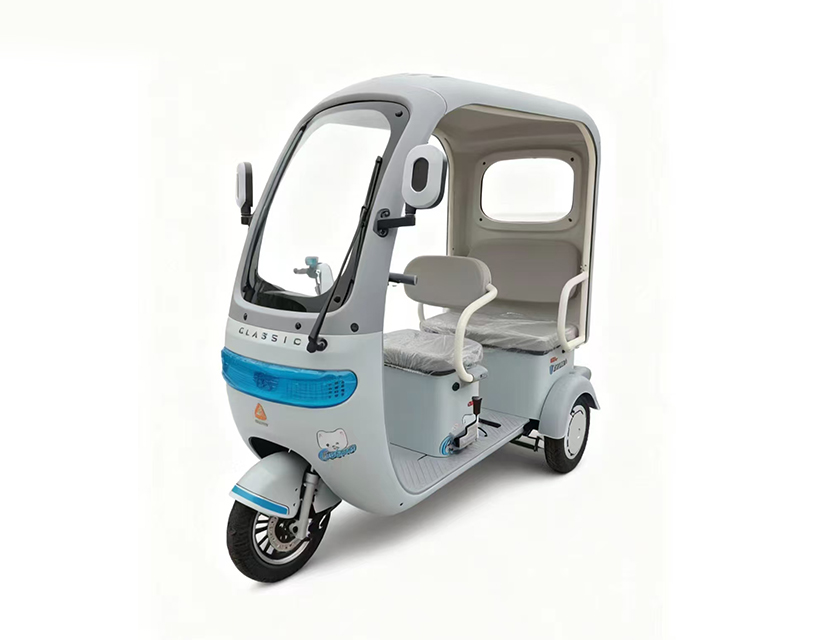
Product photograph: Mingdao Open Electric Tricycle for Urban Delivery, listed with a 60V lead-acid configuration and a 1200W motor.
Could a two-wheel delivery motorcycle fit the same job?
A two-wheel delivery motorcycle is a separate candidate when the parcel arrangement, operator requirements and route suit that vehicle type. It should not be treated as a smaller version of a cargo tricycle. The load position, handling and approved fittings need their own assessment.
Mingdao's Electric Motorcycle for Delivery lists a 1200W brushless motor and a 60V lead-acid configuration. The reviewed page does not provide a cargo-box payload specification that can simply be transferred to a fleet plan. Ask what delivery fittings are available and what load is approved for the selected arrangement.
Compare the actual parcel load rather than the total number of vehicles alone. A motorcycle and a tricycle may serve different parts of an operation, but that decision needs route and load information. Do not invent a productivity advantage from the motor rating or exterior size. A sample assessment should establish the points relevant to the buyer's operation.
Operator training, vehicle classification and intended use also need to be checked for the destination. Ask the appropriate local parties to review the exact vehicle and its documents. A listing title containing delivery or urban does not establish permission for a particular route. Keep those checks connected to the vehicle being purchased rather than a broad product category.
Compare operating costs with a transparent worksheet
A fleet cost comparison should separate quoted prices from estimated operating costs. Begin with the vehicle price for the agreed specification, the packing arrangement and the delivery terms. Add the costs the buyer actually expects to incur at destination. Do not present a single universal cost per kilometre without the inputs needed to support it.
For charging costs, use measured energy consumption for the evaluated configuration and the applicable electricity charge. Battery voltage alone is not enough to calculate operating cost. A fleet can record its sample experience and identify the method used. Keep assumptions visible so that a later change in route, load or tariff can be reflected in the worksheet.
Maintenance and replacement planning should use supplier quotations and agreed service information. Ask for the parts list, prices where available and the process for obtaining replacements. A battery replacement estimate should identify the actual battery configuration. A generic battery price from a different vehicle can distort a comparison even when the exterior models look similar.
Downtime also belongs in the operational discussion, although it may be difficult to price before a fleet has experience. Identify which repairs the local service provider can perform and which parts need ordering. The buyer can then decide what stock and support arrangements are appropriate. Avoid turning an untested estimate into a guaranteed saving in customer-facing material.
Build a service plan before the first shipment
A delivery fleet needs vehicle identification and parts records that remain useful after the first order. Record the supplied model, battery configuration, motor specification and any body changes. Add the relevant parts references and photographs. The record should help a service request identify a particular component rather than merely an electric cargo tricycle.
Ask which items the supplier recommends holding locally for the agreed operation. Possible discussion points include tyres, brake components, lamps, switches and cargo-body fittings. The appropriate stock depends on the vehicle, service arrangements and fleet size. A buyer should request a reasoned recommendation instead of assuming the same spare-parts package suits every shipment.
Agree how a service issue will be reported. Vehicle identification, a clear description and suitable photographs can help the supplier understand the request. Follow the product instructions and use qualified service support where needed. The fleet should not alter electrical systems or bypass protective functions to keep a vehicle on the road.
The Mingdao service page describes technical and after-sales support. Use that information to open a specific conversation about the selected fleet. Confirm warranty terms, responsibility for inspection and the process for obtaining replacement components in writing. A general service statement should not be converted into an unagreed warranty period or response-time promise.
What should a delivery vehicle sample assessment record?
A sample assessment should answer the questions that could change the purchase decision. For an enclosed model, record cargo access, usable dimensions and the loading sequence. For an open model, assess the approved load arrangement and securing method. For both, review the controls, parking process and documentation supplied with the vehicle.
Prepare an acceptance sheet before the sample arrives. Identify the agreed configuration and the points to inspect. Separate visible checks from performance assessments that require a defined method. A photograph of a finished vehicle cannot establish stopping distance, maximum load or weather protection. Those claims need suitable specifications and evidence for the actual configuration.
Record requested changes as revisions to the specification. If the buyer asks for a different door arrangement, colour or branding position, show the change clearly and ask how it affects the quotation and sample approval. The accepted sample should not become a vague reference for later orders with several undocumented differences.
Use the resulting record to brief the receiving team. Confirm which items arrive fitted, what assembly remains and which documents accompany the shipment. Check the agreed packing and identification against the purchase record. A well-defined receiving process helps the fleet recognise a mismatch before the vehicles are distributed among operators or delivery sites.
Send a quotation brief that can be answered
A delivery tricycle enquiry should identify the goods, the daily route and the preferred body arrangement. Include the largest package dimensions, required rated load, distance between charging opportunities and destination market. Attach measurements of restrictive access points if they influence the choice. Name the product links being compared so that the supplier can respond to identifiable configurations.
Ask for separate prices for the base vehicle and requested options. List branding, body fittings, spare parts and any packaging requirements as individual items. This makes revisions easier to follow and reduces the chance that an option disappears between the first discussion and the final order. Confirm quantities and the scope of any sample request.
Request the packed dimensions, weights, delivery terms and documents applicable to the selected model. The buyer can then review transport and destination requirements with the relevant parties. Do not assume that a certificate mentioned elsewhere on the website applies to a particular cargo body or electrical configuration without checking its scope.
Use the Mingdao quotation and contact page to send the brief. Buyers still choosing between categories can first review the electric tricycle range. A useful enquiry states the working requirement and asks for the specification needed to judge it. It does not require the buyer to guess the correct configuration in advance.
Electric delivery tricycle questions
Is the enclosed cargo body waterproof?
The product name does not establish a waterproof rating. Ask for the body construction, openings, seals and any relevant testing or specified protection. Describe the goods and exposure expected on the route. Select the body against those requirements rather than assuming that enclosed means suitable for every weather condition.
Is the 1.6 × 1.1 metre carrier measurement the usable cargo floor?
The reviewed listing gives that measurement without enough detail to settle its measurement basis. Request internal usable dimensions, height and door-opening dimensions. Confirm any intrusions that affect loading. Use a representative package layout to check the proposed arrangement before approving the body.
Does a 1200W motor establish the permitted payload?
No. Request the rated load and loading instructions for the exact vehicle. Motor wattage alone cannot supply the missing payload specification. Keep the approved load, cargo-body dimensions and route requirements as separate fields in the purchase record so that each receives a clear answer.
Can the fleet specify a lithium battery configuration?
Ask Mingdao whether an appropriate option is available for the selected vehicle. The reviewed pages describe lead-acid configurations. A different battery needs its own confirmed battery, charger, installation and documentation details. The quotation should identify that version explicitly instead of relying on an informal request for a battery upgrade.
Should a buyer choose the model with the longest listed range?
Use range together with load, body access, route and charging conditions. The two listed figures were not presented as results of the same test. Request the conditions and evaluate the candidate against the intended operation. A longer catalogue figure cannot resolve a cargo-access problem or establish that the vehicle meets a required payload.
Product pages and enquiries
Enclosed Electric Delivery Tricycle
Open Electric Tricycle for Urban Delivery
Electric Motorcycle for Delivery