1200W or 3000W Electric Motorcycle? A Distributor's Buying Guide
An electric motorcycle purchase should begin with the intended customer, route and complete vehicle specification. Motor wattage helps identify a configuration, but it does not establish range, road-use status or the right vehicle for a delivery business. Compare battery details, brakes, dimensions, service parts and the documents for the destination alongside the motor figure.
Mingdao's reviewed catalogue includes 1200W brushless electric motorcycle listings and a 3000W sport-style listing. This guide uses those products to explain a purchasing comparison for distributors and importers. Product information was reviewed on November 4, 2026. Figures below are attributed to the current product pages; a sample order and production quotation should identify the exact configuration being supplied.
Which Mingdao electric motorcycles are being compared?
The Brushless Electric Motorcycle for Commuting, Classic Electric Motorcycle for Delivery and Electric Motorcycle for Delivery list 1200W brushless motors. Their reviewed descriptions identify 60V lead-acid battery configurations. The Sport Electric Motorcycle for Adults lists a 3000W brushless motor and a 72V lead-acid configuration.
Treat each entry as a separate product. Shared electrical figures do not make the commuter and delivery vehicles identical. Their appearance, braking descriptions and other details differ, and any purchase comparison should retain those distinctions. Ask the supplier for a complete specification for each candidate rather than combining selected figures into an imaginary standard model.
Historical words and numbers in a URL should not override the current technical specification. For example, the classic delivery product address contains 1000W, while its reviewed technical table lists 1200W. The sport product address contains 120km, but the reviewed description lists a maximum speed of 70–80 km/h. Resolve the selected configuration in writing before repeating performance claims in a retail catalogue.
| Catalogue entry | Listed motor | Listed battery configuration | Listed braking arrangement |
|---|---|---|---|
| Brushless Electric Motorcycle for Commuting | 1200W brushless | 60V lead-acid | Front and rear disc brakes |
| Classic Electric Motorcycle for Delivery | 1200W brushless | 60V lead-acid | Front and rear disc brakes |
| Electric Motorcycle for Delivery | 1200W brushless | 60V lead-acid | Front disc and rear drum brake |
| Sport Electric Motorcycle for Adults | 3000W brushless | 72V lead-acid | Front and rear disc brakes |
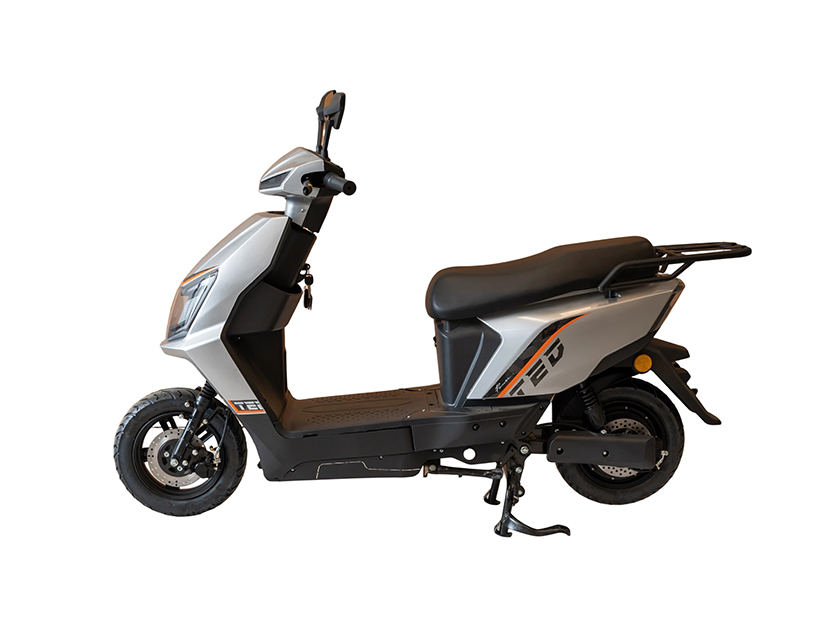
Product photograph: Mingdao Classic Electric Motorcycle for Delivery. The reviewed technical table lists a 1200W brushless motor.
Define the customer before choosing a power figure
A commuter may judge a vehicle by the journey to work, the parking arrangement and access to charging. A delivery operator may focus on repeated stops, approved luggage fittings and service support. A customer attracted by a sport-style body may have different preferences again. These groups should not receive the same recommendation solely because the motorcycles share a brand.
Write a short customer profile for each model you intend to stock. Record the expected route, daily distance, operator requirements and parking conditions. Include any need for approved passenger or luggage arrangements. Do not infer seating approval, rated load or rack capacity from the shape of the seat or the presence of mounting points in a photograph.
The profile should identify questions that can change the purchase decision. A restrictive storage entrance makes overall dimensions relevant. A fixed charging location makes the supplied charging arrangement relevant. A service provider's parts requirements may affect which versions the distributor can support. Those points deserve attention before the buyer chooses colours or promotional wording.
For an importer selecting an initial range, fewer clearly differentiated models can be easier to explain than several nearly identical listings with conflicting claims. Give each candidate a defined place in the proposed range. Use the model's confirmed features to support that place, and retain the questions that still require a supplier response.
What can a 1200W versus 3000W comparison tell you?
The motor figures identify different catalogue configurations. They do not provide enough information to calculate acceleration, climbing ability or maximum speed for a particular customer. Ask whether the quoted figure describes rated output and request the supplier's performance information with its conditions. Keep any peak figure separate if one is supplied.
Motor output is only one part of the vehicle. Battery configuration, controller, vehicle mass, load and mechanical design also belong in the discussion. A distributor should request the complete specification of the 1200W and 3000W candidates rather than assume that one number explains the entire riding experience. The appropriate sample evaluation depends on the use being considered.
Do not turn the ratio between the two wattage figures into a sales claim about speed or range. A motor listed at 3000W is not evidence that the motorcycle travels a corresponding multiple faster or farther. Those outcomes need their own measurements and conditions. Arithmetic applied to motor labels cannot replace the missing vehicle-level information.
A useful comparison sheet identifies the motor figure, its definition and the source of any performance statement. Add the battery version, controller information and the intended application. This allows a buyer to ask precise questions when the candidates differ. It also reduces the chance that dealer staff use an unsupported phrase such as twice the performance when answering a customer.
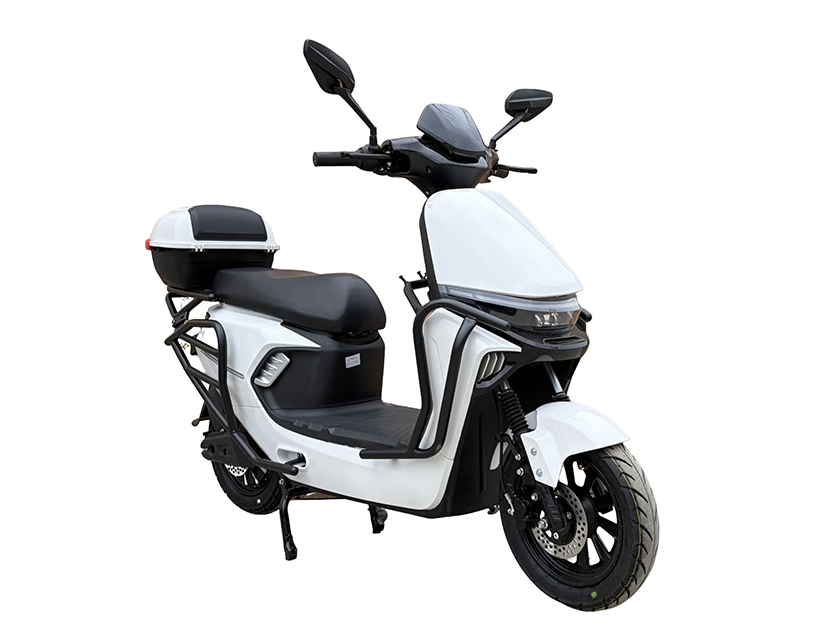
Product photograph: Mingdao Brushless Electric Motorcycle for Commuting, listed with a 1200W brushless motor and a 60V lead-acid configuration.
Compare 60V and 72V as complete battery systems
The reviewed commuter and delivery listings describe 60V lead-acid configurations, while the sport listing describes a 72V lead-acid configuration. Voltage does not establish usable energy, range or charging cost on its own. Ask for the confirmed capacity, battery arrangement and supplied charger before making an electrical comparison.
The current pages use shorthand such as 60V20A and 72V20A. A purchase specification should state capacity with the correct confirmed unit instead of leaving the buyer to interpret that shorthand. Do not silently convert a value into ampere-hours or use it to calculate energy until the supplier has confirmed what the figure represents.
Ask how the battery is installed and how service access works. The presence of a seat or body panel above a battery compartment does not establish that daily battery removal is intended. Request the product instructions and an appropriate demonstration. If removable charging is a requirement, make it a specific question rather than assuming it applies across the range.
A request for lithium battery electric motorcycles needs a separate response. The reviewed configurations are described as lead-acid. Ask whether a suitable lithium option exists for the exact model, and request its battery, charger, installation and documentation details together. Do not advertise the pictured lead-acid version as lithium because another product category offers that chemistry.
How should dealers discuss speed and range?
The reviewed 1200W listings describe maximum speeds of approximately 65–70 km/h and ranges of approximately 50–60 km. The 3000W sport listing describes approximately 70–80 km/h and 70–80 km respectively. These are published catalogue statements. The pages do not establish a matched test comparing the vehicles under identical conditions.
Ask for the test conditions behind the figures before including them in purchase planning. Identify battery configuration, load, route and the method used to measure the result. A dealer should distinguish a maximum-speed statement from a recommended operating practice. The applicable product instructions and destination requirements still govern how the vehicle may be used.
For range, compare the customer's journey with realistic charging opportunities. Include the return leg and other travel needed during the day. A route that appears shorter than a catalogue figure may still require assessment because operating conditions differ. Ask the supplier to review the intended use rather than promising every customer the top end of a stated range.
Dealer material should preserve the conditions attached to performance. If a figure is approximate, keep that wording. If the supplier supplies a revised configuration, review the associated claims instead of copying old figures into a new page. This is particularly relevant when a vehicle's exterior remains similar while the battery or controller changes between orders.
Which braking details deserve a separate comparison?
The commuter, classic delivery and sport listings describe front and rear disc brakes. The separate Electric Motorcycle for Delivery listing describes a front disc and rear drum arrangement. Those are real catalogue distinctions worth recording. They do not, by themselves, establish a stopping distance or make one complete vehicle suitable for every application.
Request the brake specification and the instructions for inspection and service. Ask which parts are supplied for the exact production version. Disc-brake pads, drum-brake components and related fittings should be identified by the correct references. A dealer needs that information to support the vehicle, even when a customer initially asks only about appearance or motor output.
Tyre information also belongs in the vehicle record. The reviewed 1200W pages use a 300-10 tyre description, while the sport listing uses 120-70-17. Request the confirmed tyre and rim notation and suitable replacement information. Avoid converting a catalogue notation into another size without checking the manufacturer's specification for the supplied wheel.
A sample assessment can help dealer staff understand control layout and service access. Any assessment of braking performance needs a suitable method, setting and qualified support where appropriate. A short showroom ride is not a documented stopping-distance test. Keep observations about controls separate from claims about measured performance under load.
Check rider fit and the practical parking arrangement
Product photographs show styling, but they do not establish fit for every operator. Request confirmed overall dimensions, seat height where available, vehicle weight and the approved load. Ask about the seating arrangement and the location of the controls. These details help the buyer decide what should be checked with a sample.
Parking deserves attention before a model is added to a distributor's range. Consider the space required to move the vehicle through an entrance, position it for storage and reach the charging connection. Include mirrors and other projections when checking clearance. A motorcycle that looks compact in a photograph may still be awkward in a specific storage space.
Ask for a demonstration of the supplied parking and support arrangements. Follow the model's instructions when evaluating them. Do not assume that every version has the same stand, locking arrangement or handling procedure. A small difference in equipment can matter to a customer who parks several times each day.
Dealer staff should be able to distinguish observed fit from an unsupported suitability claim. A model described as for adults does not establish that every adult can operate or handle it comfortably. The sample, the customer's requirements and the supplied instructions provide a better basis for discussion than broad claims about universal comfort.
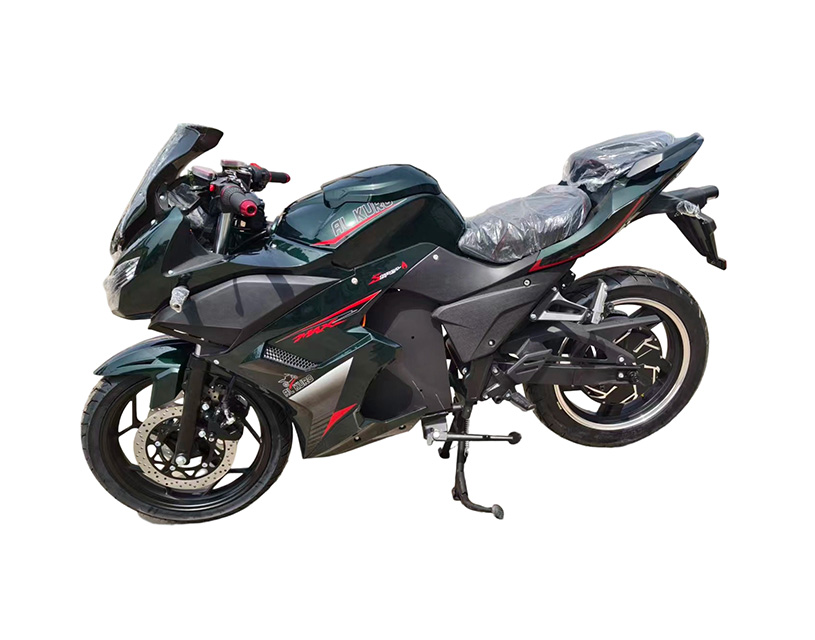
Product photograph: Mingdao Sport Electric Motorcycle for Adults. The reviewed technical table lists a 3000W brushless motor; the battery description identifies a 72V lead-acid configuration.
Match delivery fittings to an approved configuration
A delivery motorcycle needs a load arrangement that is specified for the vehicle. A rear seat, grab handle or visible mounting point does not establish the permitted weight of a cargo box. Ask what fittings are available, where the load is intended to sit and which rated-load restrictions apply to the complete arrangement.
For a delivery brief, describe the parcels rather than simply requesting a large box. Record representative package dimensions, total weight and access needs. Ask the supplier to identify an appropriate configuration and provide the supporting specification. Do not assume that a fitting shown on a different model is compatible with the motorcycle being quoted.
Some deliveries may be better evaluated using a different vehicle category. Buyers handling larger parcels can compare the Enclosed Electric Delivery Tricycle as a separate candidate. The decision needs load and route information; motor wattage shared by two vehicles does not make their cargo capability equivalent.
Include the delivery fitting in sample approval. Photograph the accepted arrangement and record its dimensions, attachment method and approved load information. If branding is applied to the cargo box, approve its artwork separately. The body arrangement and the graphics may involve different changes, so the order should show exactly what has been accepted for production.
Ask for model-specific documents for the destination
The word electric motorcycle is a product description, not a determination of vehicle classification in every destination. Give the supplier the intended country and use, then request documents for the exact vehicle and configuration. Have the relevant local parties assess what is required before making a road-use claim or placing an import order.
Keep certificate scope connected to the supplied model. A certificate image elsewhere on a company website does not establish that every motorcycle, battery option or revised configuration falls within its coverage. Ask for the holder, model identification and applicable document details. Those records should match the product being considered rather than a broadly similar vehicle.
The buyer should also clarify what technical information accompanies the shipment. Request the operating instructions, maintenance information and identification details needed for the agreed market. Confirm the language and format required for the intended customers. A dealer cannot answer later support questions effectively if the documentation covers a different version of the product.
If a supplier proposes an alternative configuration, review the documentation again. A change made to meet a price target can affect more than the quotation line. Retain the approved specification and the corresponding document references together. This gives the importer a traceable record of what was requested, reviewed and ultimately ordered.
Choose a sample with a written acceptance plan
A sample electric motorcycle should answer defined purchasing questions. The plan might include confirming dimensions, controls, finish, battery access and the supplied accessories. Identify those checks before the vehicle arrives. Distinguish visual inspection from performance evaluation, and state which points require specialist assistance or further supplier evidence.
Record the sample's configuration in the acceptance sheet. Include the motor and battery specification, tyres, brakes, colour and any fitted accessories. Add photographs that clearly identify the inspected vehicle. A later production order can then refer to a particular accepted sample rather than a general statement that the buyer liked the motorcycle.
Document differences and requested revisions separately. A logo position can be approved with artwork and dimensions. A change to the battery or another technical component requires a revised configuration and supplier confirmation. Do not treat all changes as cosmetic simply because the exterior photograph remains familiar.
Retain the final acceptance record with the order. The receiving team needs to know which documents, accessories and assembly items should arrive. Check the shipment against that record before distributing stock to dealers. A clear receiving check can identify a missing item while the shipment details are still readily available to both parties.
Build spare-parts support into the purchasing decision
An electric motorcycle range should be supported by identifiable service parts. Ask which items are shared between the commuter, delivery and sport models and which are specific to a production version. Similar appearance does not establish interchangeability. Request references for the parts the dealer is likely to need, together with suitable identification photographs.
Begin the discussion with tyres, brake components, lamps, mirrors, switches, chargers and body panels relevant to the selected model. The supplier can explain which parts are appropriate to stock and what information is required for a later enquiry. A distributor should use that advice alongside local service capability and the number of vehicles being ordered.
Agree the after-sales process before the first bulk shipment. Specify how vehicle identification, photographs and the description of an issue should be provided. Follow the service instructions and use qualified assistance where required. An importer should not ask a customer to improvise repairs, alter controller settings or fit unmatched components to resolve a service delay.
Warranty terms should state their scope and claim procedure in the commercial agreement. Mingdao's technical support and customisation information can start the discussion, but it does not replace those written terms. Do not invent a warranty period, parts availability promise or repair turnaround that the supplier has not agreed for the order.
Compare quotations for the same supplied vehicle
Two prices are comparable only when the supplied configurations and commercial terms are clear. Record the product link, model identification, battery, motor, brakes, tyres and accessories. Ask which elements are included in the base price. Separate optional changes so that a lower quotation can be assessed against what is actually supplied.
Request packing details, packed dimensions and weights, and the assembly work expected at destination. Confirm the instructions and included components for the selected packing arrangement. Do not infer a CKD, SKD or complete-vehicle supply method from a historical URL. The purchase documents should state how the motorcycles are delivered and what the buyer must prepare on receipt.
For OEM electric motorcycle requests, provide artwork, colour references and placement requirements. Ask which changes are available for the selected model and what order conditions apply. Approve branding and technical configuration through clearly identified revisions. A colour sample or a logo image alone does not specify every element of a customised order.
Send the brief through the Mingdao electric motorcycle enquiry page. Buyers still selecting candidates can review the electric motorcycle catalogue. State the intended customer, market and questions to be answered. A supplier can prepare a more relevant quotation when the request describes a real purchasing decision instead of asking only for the cheapest motorcycle.
Electric motorcycle procurement questions
Is the 3000W sport model a 120 km/h motorcycle?
The reviewed sport product description lists a maximum speed of approximately 70–80 km/h. Its historical URL contains 120km, which should not be interpreted as a confirmed speed. Ask for the current written performance specification and test conditions for the selected vehicle before using a speed claim in dealer material.
Are the 1200W commuter and delivery motorcycles identical?
No. A shared motor figure does not establish identical brakes, body details or approved accessories. The reviewed delivery listing describes a front disc and rear drum arrangement, while the commuter listing describes front and rear discs. Compare complete specifications and retain the product identity throughout the quotation process.
Does the catalogue confirm lithium batteries for these models?
The configurations discussed here are described as lead-acid. If a lithium battery version is required, ask for a model-specific proposal covering the battery, charger, installation and documents. Keep that proposed version separate from the reviewed catalogue configuration until the supplier confirms the details.
Which model should a first-time distributor sample?
Select the candidate that answers the most relevant customer requirement and the largest remaining purchasing uncertainty. A commuter-focused retailer may begin with the commuter listing; a delivery buyer should assess approved cargo arrangements. Request complete specifications first, then define what the sample must demonstrate. A larger motor number alone is not a sample selection plan.
Can a buyer use the product photographs in a local catalogue?
Discuss image use with Mingdao and make sure the photograph represents the configuration being offered. Match the product name, specification and any visible accessories to the supplied version. Keep explanatory captions factual. A photograph of one battery or brake arrangement should not be used to imply that a different configuration includes the same equipment.
Product pages and enquiries
Brushless Electric Motorcycle for Commuting
Classic Electric Motorcycle for Delivery
Electric Motorcycle for Delivery
Sport Electric Motorcycle for Adults
Enclosed Electric Delivery Tricycle
technical support and customisation information