How to Review a Multilingual Electric Tricycle Specification
Translate a confirmed vehicle specification by preserving the model identity, numbers, units and intended meaning. Review technical terms separately from sales phrasing. Mingdao's tricycle listings contain shorthand that needs supplier clarification before it can become a standardized table across markets.
For example, an electric tricycle tyre entry such as 3.00-10 should be copied accurately until its approved interpretation is recorded. The A shorthand on battery lines should be clarified before replacing it with a capacity unit.
The comparison starts with Open Electric Tricycle for Urban Delivery and Family Electric Tricycle for Urban Travel. The electric tricycle catalogue lists other configurations for buyers whose order needs a different body, battery or use case.
Catalogue references for the enquiry
| Mingdao product | Catalogue details on record | Confirm for the proposed order |
|---|---|---|
| Open Electric Tricycle for Urban Delivery | 60V lead-acid; 1200W; removable battery listed | Approved load area and battery configuration |
| Family Electric Tricycle for Urban Travel | 48V lead-acid; 600W | Load limits, dimensions and battery removal |
| Family Electric Tricycle with Three Seats | 60V lead-acid; 800W; three saddles described | Approved passenger arrangement and rated load |
| Enclosed Electric Delivery Tricycle | 72V lead-acid; 1200W; carrier entry 1.6 × 1.1 m | Measurement basis, rated payload and body access |
Create a single technical source file
Separate dealers translate from different product pages and messages.
Each team can publish a different number for the same model even when its translation is fluent.
How to read the drawing and the photo together
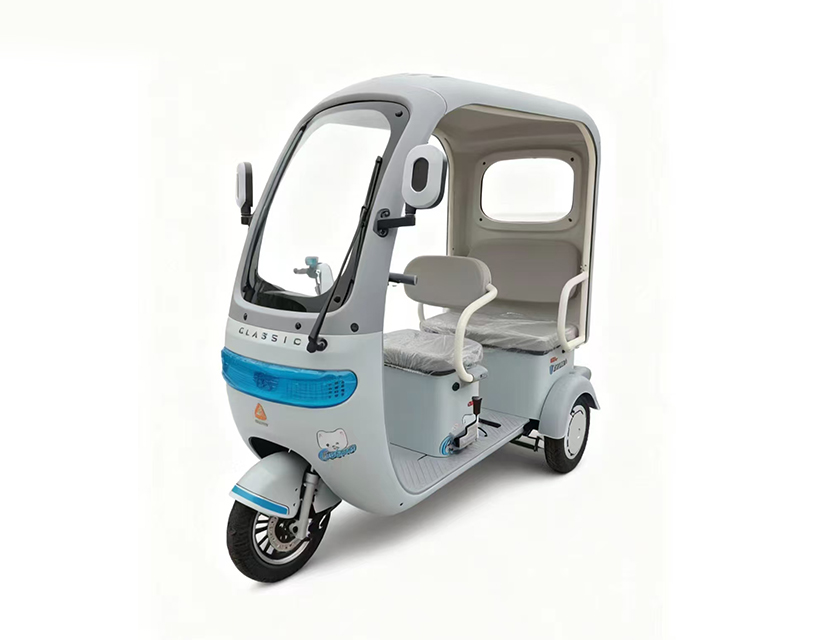
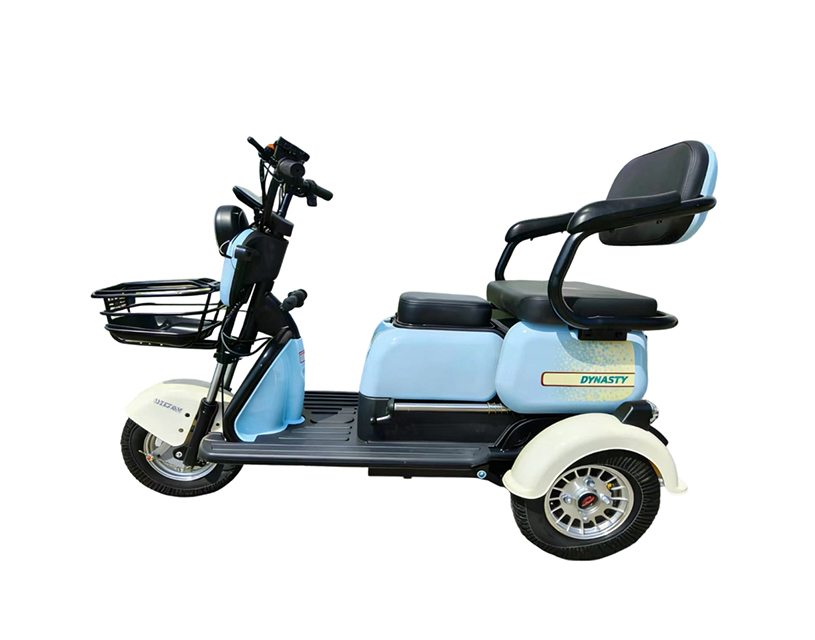
Read the scale, labels and revision on the drawing before comparing it with the product photo. The photo helps identify the orientation and installed equipment. The drawing gives the dimension or location needed for the enquiry. If they depict different revisions, ask the supplier to name the version shown in each before drawing a conclusion.
Evidence to request. Prepare a confirmed table with model, revision, units and approved terms.
Describe the result in terms of the approved example and the actual requirement. A dealer who later uses the note can then see where it applies. Keep source references and any order conditions with it when moving the information into a catalogue, receiving record or service file. The comparison can begin with Open Electric Tricycle for Urban Delivery and Family Electric Tricycle for Urban Travel.
Keep the original wording available until a named reviewer has agreed on the revised wording. That makes it possible to trace a disagreement without circulating multiple competing versions. If a figure is still under discussion, ask the product team to record how it would be verified.
Decision. Use it as the reference for each local edition.
Lock the product identifiers
A translation changes a catalogue model name and removes the identifier used on order documents.
Customers may not recognize the same vehicle when buying parts or asking a follow-up question.
What to settle in a sample
Set up the sample around the question in this section. The work can stop as soon as the team has the evidence needed for the decision. If a picture or a drawing can settle a dimension, request the drawing first. Save the hands-on session for an issue the drawing cannot resolve, such as the operator's access to an item already fitted to the vehicle.
Buyer’s check. Keep the stable technical identity while translating the descriptive part of the title.
Use the product link to identify the candidate in this check. Send specific requirements with the proposed order so the supplier can reply about that version. If another catalogue model is under consideration, keep its evidence in a separate entry and compare only the points relevant to the buyer's decision.
Check the handover by looking for the answer in the materials the receiving colleague will actually use. Add a short pointer to the appropriate document. If the conclusion depends on a condition, put the condition next to the conclusion rather than in an unrelated attachment.
Acceptance point. Check the translated page against the matching order record.
Keep values and interpretation separate
A 60V entry is expanded into a new energy figure by a translator.
That change adds a technical assertion not established by the source.
At goods receipt
Review this point against the purchase record when the shipment arrives. Start with the carton and vehicle identifiers, then isolate the item that needs attention. Open an agreed sample of the shipment where the contract provides for it. Record the visible condition before repacking, fitting accessories or distributing vehicles to other locations.
Record to retain. Use separate columns for original notation and supplier-approved wording.
Give this point an owner and a place in the enquiry record. Write down how it will be checked and which decision it affects. If the supplier answers on a call, capture the answer and the applicable model reference so a colleague can request any supporting document still needed.
Let the buyer see the consequence of the distinction. Ask the buyer to describe the intended arrangement in ordinary language and compare that description with the sales note. The dealer can clarify misunderstandings at that point, while the vehicle, documentation and payment decision are still easy to review.
Handover decision. Ask a technical reviewer to resolve the value before publishing its interpretation.
Keep tyre notation intact
A spreadsheet removes punctuation or localizes a tyre label as a generic decimal measurement.
The displayed result loses the distinction between possible parts.
How to compare two responses
When two candidates appear suitable, send both teams the same requirement. Ask each to write back the supplied configuration and conditions. Then copy both responses into a comparison sheet in their original units. Missing information stays open. The buyer can then see which difference follows from a real option and which one reflects an incomplete answer.
Question for the quotation. Treat the approved size notation as a text reference and check its rendered output.
Use a single question for each unresolved detail. The reply should identify the offered item and any conditions that change the result. Attach the marked photo, drawing or order line that makes the question understandable. This keeps later clarifications connected to the purchase rather than to a message history. The comparison can begin with Enclosed Electric Delivery Tricycle and Open Electric Tricycle for Urban Delivery.
Compare the two records and identify the reason for disagreement. If both reviewers used different conditions, capture those conditions beside the results. The team can still retain both observations without converting them into an average or claiming they describe every vehicle.
Next action. Compare front and rear fields where both appear in the original.
Avoid translating an ambiguity into a certainty
The original brake line contains an unexplained number.
Adding a force or dimension unit would create a claim nobody has confirmed.
How to run a second check
Ask a colleague who did not conduct the first review to repeat the comparison using only the shared notes. Give that person the sample or source material and the intended use. A disagreement can expose an ambiguous measurement point, an undocumented assumption or a version mismatch before any customer sees the resulting description.
Evidence to request. Flag the number and ask the product team what it represents.
Include the product reference in the review, even if the team already recognizes the model by its photograph. Another employee may know the vehicle by a supplier code or retail name. The link gives the people preparing the first enquiry a common reference for the product under discussion.
Photograph the sample in the condition actually checked. Include an identifying view and a close-up of the relevant part where practical. Add a note about anything the distributor supplied separately. A second reviewer must be able to see which items were part of the sample before relying on the observation.
Decision. Use an accurate general description until the detailed number is verified.
Check labels and body terms in context
A translation uses a word that could refer to either a cargo compartment or a passenger seating area.
The meaning affects which configuration a buyer expects.
What to test first
Start with the constraint that could rule out the model. For the question described here, record the expected operating conditions before looking for a configuration that meets them. If the constraint changes, someone reviewing the notes should be able to identify which part of the comparison needs to be repeated.
Buyer’s check. Show the reviewer the current product photo and select the term that describes the confirmed configuration.
Set the point at which the buyer needs the answer. Some questions must be resolved before comparing quotations. Others can wait for sample approval or receipt. Record the deadline with the question so the buyer can schedule the appropriate check while the relevant vehicle and team are available.
Keep only the details needed to answer the question at hand in the main worksheet. Place the supplier's drawing, instructions or photo set beside it, where the next reviewer can find the underlying information. If a judgment changes, record the new evidence that led to the change.
Acceptance point. Keep cargo, seat and approved storage terms distinct.
Review the full page instead of its title
A language page opens with a translated headline but the technical table is absent.
The title alone conceals a gap that matters to buyers.
What to retain after approval
Store the reason for approval beside the actual evidence used to reach it. A later reviewer should be able to trace the decision to a vehicle, version and set of conditions. A short comment appended to the order is adequate when it points to the correct item and explains any unresolved detail.
Record to retain. Review the rendered description, parameters, instructions and enquiry links for that locale.
Keep the short sales brief easy to read, and attach the supporting evidence separately. The reader should be able to locate the verified detail quickly. Use the supplier's identification in the attachment so someone checking it later can distinguish the current reference from a related document. The comparison can begin with Family Electric Tricycle with Three Seats and Enclosed Electric Delivery Tricycle.
Keep the request for an exception outside the standard feature list. If the supplier can meet it, add the accepted condition to the revised quote and note any effect on the rest of the order. Review the changed condition with whoever will receive or support the vehicle.
Handover decision. Replace placeholder rows with the approved data or resolve the publication status.
Check where localized documents lead
A retailer provides a link to a product guide for the right language but the wrong model.
The destination can appear plausible until the customer reads the details.
How to explain the difference to a customer
Have the salesperson explain the choice in terms of the customer's use. A short description should state what the customer expects, what the dealer can show today and what still needs a written answer. A photograph can show the version on display. If the supplied configuration differs, say which feature changes and show where the difference is recorded.
Question for the quotation. Verify the model and language on the linked product and instructions.
An enquiry about the selected product can include the comparison model for context. Put each version on its own line. Ask the parties to answer against the required use, and keep catalogue figures distinguishable from measurements or instructions that were confirmed specifically for the new order.
Close the handover by asking the service reviewer where they would find the answer six months later. Retain the relevant label and approved information alongside the sales record. A parts query should reach someone who can check compatibility before a replacement is selected.
Next action. Update any links that do not take the buyer to the promised information.
Assign two people to review sensitive specs
One fluent reviewer can judge natural language but may not be familiar with tyre or battery notation.
Product and language accuracy need different skills.
How to brief the service desk
Send the service desk the same identification that the sales team uses. The desk needs to recognize the supplied version after a customer has taken the vehicle away. Prepare one example of a useful enquiry containing the vehicle reference, the relevant item and enough context to determine whether the enquiry concerns instructions or a possible parts request.
Evidence to request. Assign the specification review to a product owner and the phrasing review to a qualified language reviewer.
Read the reply from the viewpoint of the colleague who will use it. The warehouse may need a packing reference, while service may need the supplied part or approved instructions. Give each role the part of the answer that it can act on and a clear route to the source.
Preserve the result in a form the buyer can revisit before committing to a shipment. A useful note gives the ordinary use, the evidence that was available and the next outstanding decision. Establish the acceptance step while both sides are discussing the same sample.
Decision. Require both to use the same source document and change record.
Make glossary corrections reusable
Different product pages repeat the same control or battery mistranslation.
A single page correction can leave the remainder of the catalogue inconsistent.
What to do when the answer is incomplete
Ask for a response to the unresolved line without reissuing the rest of the request. Include the version being reviewed and the precise question. The supplier can then explain a constraint, offer a different configuration or provide an updated drawing. Treat each as a distinct response until the buyer decides what to accept.
Buyer’s check. Update the approved term and record which models and languages use it.
Make sure an annotation remains understandable when someone reads it outside the original conversation. Mark the location or product feature it describes and keep the date or revision with it. A caption that names the item gives the next reader more context than a general instruction to see the image.
A photograph without a carton reference can be hard to use once an order is split among outlets. Keep the receipt note with the packing list and the agreed specification. If the item differs, identify the affected cartons and ask for a disposition before the warehouse treats them as standard stock.
Acceptance point. Recheck affected text and technical tables after the change.
Show only approval status that reflects the file
A team labels the translation complete once text has been imported into the CMS.
Publishing status does not tell the importer whether the figures were checked.
How to hand this over between teams
Give sales and purchasing a shared definition of completion. Sales can explain what the buyer wants to do, while purchasing can identify which signed document supports the offered version. Arrange for the product or service reviewer to answer any question the other two teams cannot settle from the catalogue.
Record to retain. Track imported, language reviewed and technically confirmed steps separately.
Keep the evidence of the requirement near the decision. Someone reviewing a later order should be able to see why the feature was requested and how the buyer decided to proceed. That record provides a starting point if the product, destination or working conditions change.
Return to the retail description after the order has been confirmed. Replace any statement that was borrowed from a candidate no longer under discussion. This step matters when several similar products are stocked because the wrong photo or parameter can easily survive a routine listing edit.
Handover decision. Give public sales material the appropriate review before release.
Check numbers after the page is rendered
A translator copies 3.00-8 correctly, but a display component reformats the value.
The original translation file looks correct even though the public result is different.
How to handle an exception
Describe the specific situation under which the normal catalogue selection would fail. Give the supplier the facts that determine the exception and ask what tradeoffs the available alternatives would introduce. Some differences are a matter of wording. Others require a new configuration, a revised packing plan or a fresh sample.
Question for the quotation. Compare rendered fields against the approved source across target languages.
Request revised evidence only for the affected point unless the change alters the wider specification. Record what stayed within the accepted scope and what requires a new review. This helps the buyer reconsider the decision without losing the reasoning behind earlier accepted details.
A signed specification should show the scope of the selected order. A quotation for a different finish, supplier option or supply arrangement may still be useful for comparison, but store it with its own revision. Nobody preparing the order should need to find the current selection in an older message thread.
Next action. Correct the content or formatting source responsible for the mismatch.
Verify what happens to a missing field
A local edition has no approved battery specification yet and substitutes an unrelated value.
A fill-in can appear credible without applying to the model.
What to put on the order
Put the requirement on the quotation while changes can still be priced separately. A message that says to follow the sample leaves the receiving team to decide which details mattered. Transfer the relevant description into the line item or attach a referenced drawing. The person agreeing to the supply can then accept the scope or call out a difference before production.
Evidence to request. Track missing values and prevent unsupported defaults from becoming displayed specifications.
Organize the documentation around the next named action. Record what the supplier has confirmed, what is available for review and what still needs a decision. The people preparing a quote or sample should be able to use the record without reconstructing the whole conversation.
Depending on the consequence, the dealer can continue comparison work while the question is open. Keep the uncertain detail out of material that customers will rely on. Move it into the confirmed specification only after receiving a response that identifies the offered vehicle.
Decision. Use the confirmed source or request a complete localization review.
Send a model-specific enquiry
Include the product reference and a short description of where the vehicle will be used. Describe the condition that will determine the purchase and attach any measurements, photos or specifications you already have. In the request, distinguish a sample question from a requirement for every vehicle in the order. Ask Mingdao to identify the offered configuration, the applicable instructions and any details still to be agreed. Use the Mingdao enquiry page to send the brief.
For order questions outside this comparison, see Mingdao service and OEM information and the Mingdao buyer FAQ. Keep the reply beside the selected product reference. If the response leaves a detail open, record who will confirm it and when it is needed so the next person can continue the discussion.