Delivery Motorcycle or Cargo Tricycle? Match the Vehicle to the Parcel
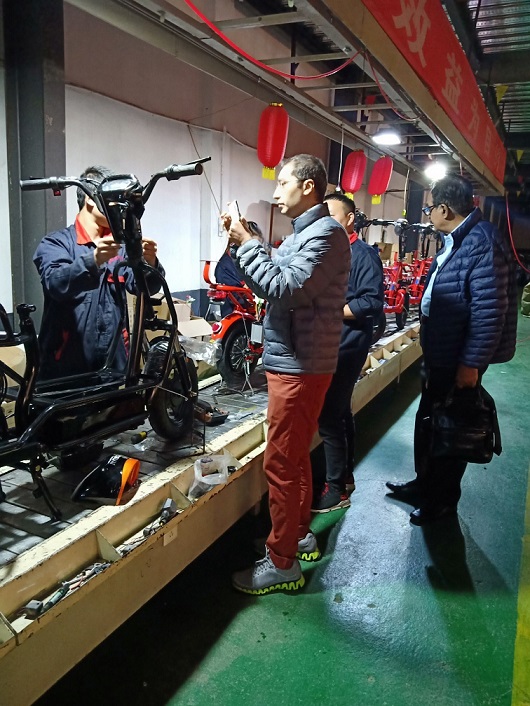
A delivery business can compare a motorcycle and a tricycle only after defining what must travel on each trip. A compact parcel, several grocery orders and an awkward carton create different loading questions. Start with the largest item, its required orientation, the operator's working route and the approved load arrangement. Then shortlist the vehicle types worth asking Mingdao to quote.
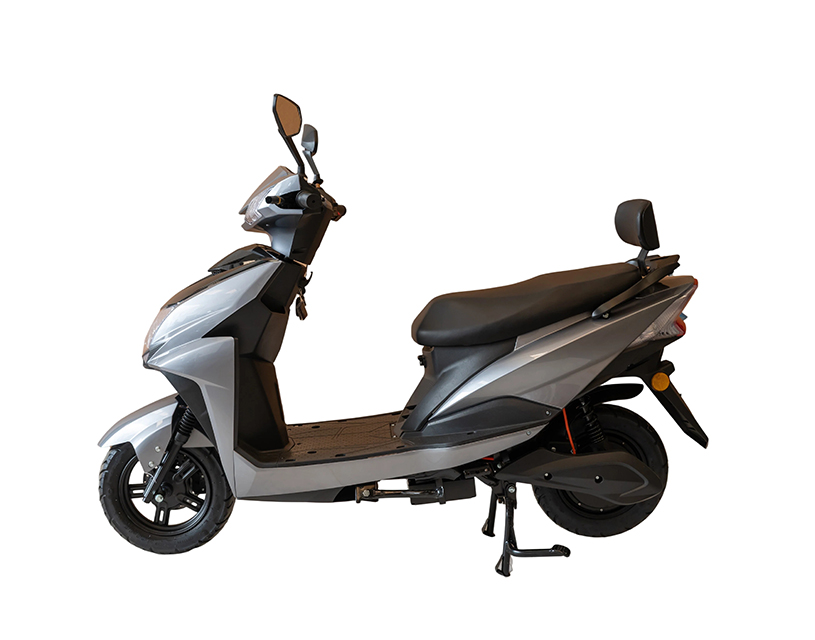
Mingdao's delivery motorcycle and two delivery tricycles all have 1200W entries in the recorded technical tables. The shared number leaves body layout, approved load and access to compare separately.
Product descriptions were checked against the public Mingdao catalogue on November 24, 2026. The buying situations below are illustrative questions for an enquiry.
Models in this comparison
| Product | Public catalogue description | What the enquiry should clarify |
|---|---|---|
| Electric Motorcycle for Delivery | 60V lead-acid; 1200W brushless; front disc and rear drum | Confirmed cargo fittings and applicable load limits |
| Open Electric Tricycle for Urban Delivery | 60V lead-acid; 1200W; removable battery listed | Approved load area and battery configuration |
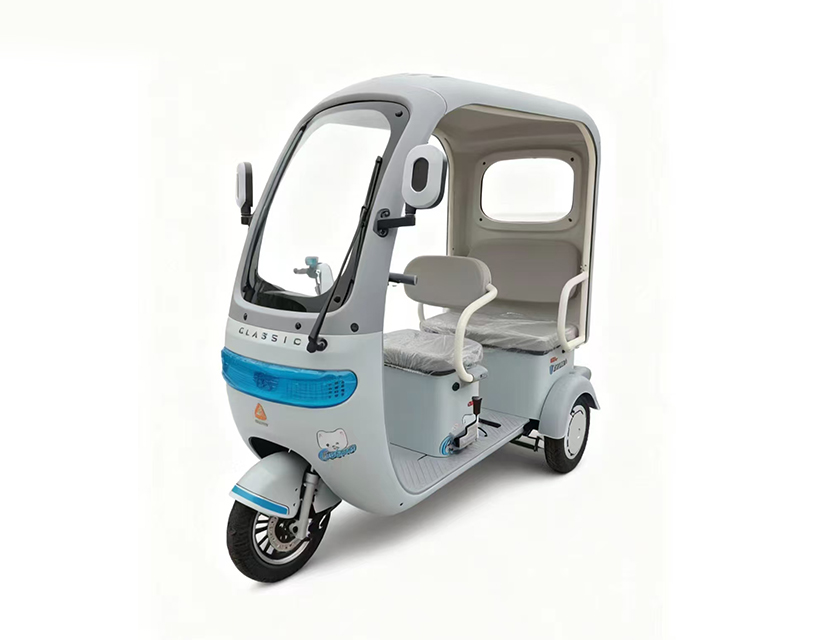
| Enclosed Electric Delivery Tricycle | 72V lead-acid; 1200W; carrier entry 1.6 × 1.1 m | Measurement basis, rated payload and body access |
Classify the goods before choosing wheels
An operator says the route carries small parcels but brings one oversized return back each afternoon.
A typical parcel description hides the item that could determine vehicle selection.
How to hand this over between teams
Give sales and purchasing a shared definition of completion. Sales can explain what the buyer wants to do, while purchasing can identify which signed document supports the offered version. Arrange for the product or service reviewer to answer any question the other two teams cannot settle from the catalogue.
Evidence to request. Record the largest package, normal batch, weight and handling requirements.
Keep the short sales brief easy to read, and attach the supporting evidence separately. The reader should be able to locate the verified detail quickly. Use the supplier's identification in the attachment so someone checking it later can distinguish the current reference from a related document. The comparison can begin with Electric Motorcycle for Delivery and Open Electric Tricycle for Urban Delivery.
Discuss the unanswered point with the supplier before using it as a score. If a difference in the quotation is acceptable, write down why. This gives the next reviewer an explanation of the commercial decision and tells the receiving team which variation it should expect.
Decision. Ask about the complete daily load rather than the most convenient example.
Ask what delivery fittings the motorcycle supports
A buyer wants to mount a box found through another vendor.
A delivery product name cannot approve a separately chosen box or its mounting.
How to handle an exception
Describe the specific situation under which the normal catalogue selection would fail. Give the supplier the facts that determine the exception and ask what tradeoffs the available alternatives would introduce. Some differences are a matter of wording. Others require a new configuration, a revised packing plan or a fresh sample.
Buyer’s check. Send the proposed box specification and ask for a supported arrangement for the model.
An enquiry about the selected product can include the comparison model for context. Put each version on its own line. Ask the parties to answer against the required use, and keep catalogue figures distinguishable from measurements or instructions that were confirmed specifically for the new order.
Record the marked-up view where the measurement begins and ends. When an accessory changes the outline, add a separate view showing it fitted. The record has to explain the actual constraint on the buyer's premises or order, even if the reviewer has never seen the original showroom arrangement.
Acceptance point. Keep the accessory request conditional until the supplier identifies an approved configuration.
Compare parcel access across the alternatives
An operator opens and closes a compartment at every delivery.
The body that carries everything may still slow the operator if parcels must repeatedly be moved.
What to put on the order
Put the requirement on the quotation while changes can still be priced separately. A message that says to follow the sample leaves the receiving team to decide which details mattered. Transfer the relevant description into the line item or attach a referenced drawing. The person agreeing to the supply can then accept the scope or call out a difference before production.
Record to retain. Map the first, middle and last delivery on each proposed layout.
Read the reply from the viewpoint of the colleague who will use it. The warehouse may need a packing reference, while service may need the supplied part or approved instructions. Give each role the part of the answer that it can act on and a clear route to the source.
Keep the original wording available until a named reviewer has agreed on the revised wording. That makes it possible to trace a disagreement without circulating multiple competing versions. If a figure is still under discussion, ask the product team to record how it would be verified.
Handover decision. Compare an actual loading sequence and its working clearances.
Keep the operator and cargo limits explicit
A parcel list records the goods but omits other routinely carried equipment.
The applicable total or cargo limit depends on the definition in the model documentation.
How to separate a claim from an observation
Write the evidence in two parts. First record what the source states and point to the specific table, drawing, photo or instruction that supports it. Then describe what the team saw in its own review. The two parts may refer to different conditions. Readers can judge those conditions when both are visible in the record.
Question for the quotation. Request rated-load definitions and loading guidance for each proposed version.
Make sure an annotation remains understandable when someone reads it outside the original conversation. Mark the location or product feature it describes and keep the date or revision with it. A caption that names the item gives the next reader more context than a general instruction to see the image. The comparison can begin with Electric Motorcycle for Delivery and Open Electric Tricycle for Urban Delivery.
Check the handover by looking for the answer in the materials the receiving colleague will actually use. Add a short pointer to the appropriate document. If the conclusion depends on a condition, put the condition next to the conclusion rather than in an unrelated attachment.
Next action. Evaluate the same described job against each documented limit.
Use the same route information for both quotations
A motorcycle enquiry describes a short local round while the tricycle enquiry includes several collections.
Different job descriptions prevent a fair commercial comparison.
How to keep the evidence useful
Name the person who will check the evidence and the person who may approve a deviation. The measuring, quoting and approval roles may belong to different people. Give them the same version of the brief. If a document is replaced, preserve its revision alongside the new copy so an earlier decision remains traceable.
Evidence to request. Share the same distance, stops, exposure and parcel information.
Keep the evidence of the requirement near the decision. Someone reviewing a later order should be able to see why the feature was requested and how the buyer decided to proceed. That record provides a starting point if the product, destination or working conditions change.
Let the buyer see the consequence of the distinction. Ask the buyer to describe the intended arrangement in ordinary language and compare that description with the sales note. The dealer can clarify misunderstandings at that point, while the vehicle, documentation and payment decision are still easy to review.
Decision. Ask each supplier response to identify its assumptions and unresolved items.
Check parking at actual delivery stops
A loading point offers room to stop but little room for a cargo door to swing.
Overall size and access orientation can matter more than nominal body volume.
What the catalogue can establish
The published page is a starting reference for an enquiry. Use its wording to identify the candidate, then request documents that settle the question for the proposed order. A listing may illustrate a configuration that differs in a small but material way from the version discussed in a quotation. Save the two records together for review.
Buyer’s check. Measure restrictive stops and identify the access needed for the proposed vehicle.
Request revised evidence only for the affected point unless the change alters the wider specification. Record what stayed within the accepted scope and what requires a new review. This helps the buyer reconsider the decision without losing the reasoning behind earlier accepted details.
Compare the two records and identify the reason for disagreement. If both reviewers used different conditions, capture those conditions beside the results. The team can still retain both observations without converting them into an average or claiming they describe every vehicle.
Acceptance point. Reject layouts that cannot support the required delivery sequence.
Consider weather protection for the actual goods
A buyer assumes an enclosed compartment can protect sensitive packages in any conditions.
The catalogue name establishes no particular seal, temperature or contamination rating.
How to read the drawing and the photo together
Read the scale, labels and revision on the drawing before comparing it with the product photo. The photo helps identify the orientation and installed equipment. The drawing gives the dimension or location needed for the enquiry. If they depict different revisions, ask the supplier to name the version shown in each before drawing a conclusion.
Record to retain. Describe required protection and ask what evidence supports the proposed body.
Organize the documentation around the next named action. Record what the supplier has confirmed, what is available for review and what still needs a decision. The people preparing a quote or sample should be able to use the record without reconstructing the whole conversation. The comparison can begin with Electric Motorcycle for Delivery and Open Electric Tricycle for Urban Delivery.
Photograph the sample in the condition actually checked. Include an identifying view and a close-up of the relevant part where practical. Add a note about anything the distributor supplied separately. A second reviewer must be able to see which items were part of the sample before relying on the observation.
Handover decision. Use protection claims limited to the documented construction and conditions.
Keep electrical comparisons complete
The motorcycle and open tricycle describe 60V configurations while the enclosed entry describes 72V.
Voltage alone cannot establish cost, operating distance or ability to do the job.
What to settle in a sample
Set up the sample around the question in this section. The work can stop as soon as the team has the evidence needed for the decision. If a picture or a drawing can settle a dimension, request the drawing first. Save the hands-on session for an issue the drawing cannot resolve, such as the operator's access to an item already fitted to the vehicle.
Question for the quotation. Request the full battery and charger specification with conditions for any performance claim.
Describe the result in terms of the approved example and the actual requirement. A dealer who later uses the note can then see where it applies. Keep source references and any order conditions with it when moving the information into a catalogue, receiving record or service file.
Keep only the details needed to answer the question at hand in the main worksheet. Place the supplier's drawing, instructions or photo set beside it, where the next reviewer can find the underlying information. If a judgment changes, record the new evidence that led to the change.
Next action. Compare configurations by confirmed information and suitable pilot observations.
Measure work per dispatch rather than capacity alone
A small vehicle needs several depot visits to complete the same manifest.
The outcome depends on access, load and available working time together.
At goods receipt
Review this point against the purchase record when the shipment arrives. Start with the carton and vehicle identifiers, then isolate the item that needs attention. Open an agreed sample of the shipment where the contract provides for it. Record the visible condition before repacking, fitting accessories or distributing vehicles to other locations.
Evidence to request. Log the parcels, trips, loading time and charging opportunities for a representative shift.
Use the product link to identify the candidate in this check. Send specific requirements with the proposed order so the supplier can reply about that version. If another catalogue model is under consideration, keep its evidence in a separate entry and compare only the points relevant to the buyer's decision.
Keep the request for an exception outside the standard feature list. If the supplier can meet it, add the accepted condition to the revised quote and note any effect on the rest of the order. Review the changed condition with whoever will receive or support the vehicle.
Decision. Use recorded work completed rather than deriving productivity from motor ratings.
Assign different jobs within a mixed fleet
Some rounds have narrow stops and others carry bulky goods.
One vehicle category need not be selected for every route in the business.
How to compare two responses
When two candidates appear suitable, send both teams the same requirement. Ask each to write back the supplied configuration and conditions. Then copy both responses into a comparison sheet in their original units. Missing information stays open. The buyer can then see which difference follows from a real option and which one reflects an incomplete answer.
Buyer’s check. Describe route groups and confirm supported vehicles for the load in each.
Give this point an owner and a place in the enquiry record. Write down how it will be checked and which decision it affects. If the supplier answers on a call, capture the answer and the applicable model reference so a colleague can request any supporting document still needed.
Close the handover by asking the service reviewer where they would find the answer six months later. Retain the relevant label and approved information alongside the sales record. A parts query should reach someone who can check compatibility before a replacement is selected.
Acceptance point. Keep dispatch assignments tied to approved configuration and local requirements.
Plan support for a new category
A depot already maintains motorcycles and is considering its first enclosed tricycle.
A new category may require separate parts and service knowledge despite similar electrical labels.
How to run a second check
Ask a colleague who did not conduct the first review to repeat the comparison using only the shared notes. Give that person the sample or source material and the intended use. A disagreement can expose an ambiguous measurement point, an undocumented assumption or a version mismatch before any customer sees the resulting description.
Record to retain. Ask the local service party what documentation and parts references it needs.
Use a single question for each unresolved detail. The reply should identify the offered item and any conditions that change the result. Attach the marked photo, drawing or order line that makes the question understandable. This keeps later clarifications connected to the purchase rather than to a message history.
Preserve the result in a form the buyer can revisit before committing to a shipment. A useful note gives the ordinary use, the evidence that was available and the next outstanding decision. Establish the acceptance step while both sides are discussing the same sample.
Handover decision. Add support preparations to the decision about the next order.
Keep customer descriptions clear
A retailer calls every three wheeler a delivery tricycle and adds a family model to the comparison.
Passenger seating does not establish approved goods capability.
What to test first
Start with the constraint that could rule out the model. For the question described here, record the expected operating conditions before looking for a configuration that meets them. If the constraint changes, someone reviewing the notes should be able to identify which part of the comparison needs to be repeated.
Question for the quotation. Use exact model titles and the documented arrangement in retail descriptions.
Include the product reference in the review, even if the team already recognizes the model by its photograph. Another employee may know the vehicle by a supplier code or retail name. The link gives the people preparing the first enquiry a common reference for the product under discussion.
A photograph without a carton reference can be hard to use once an order is split among outlets. Keep the receipt note with the packing list and the agreed specification. If the item differs, identify the affected cartons and ask for a disposition before the warehouse treats them as standard stock.
Next action. Point buyers to a cargo candidate where the passenger configuration does not answer the requirement.
Write a usable selection note
Two candidates remain after the initial review and the buyer prefers one for easier parcel access.
A preference needs a stated working condition to remain useful for future orders.
What to retain after approval
Store the reason for approval beside the actual evidence used to reach it. A later reviewer should be able to trace the decision to a vehicle, version and set of conditions. A short comment appended to the order is adequate when it points to the correct item and explains any unresolved detail.
Evidence to request. Record the requirement, supporting drawing or sample, selected model and open questions.
Set the point at which the buyer needs the answer. Some questions must be resolved before comparing quotations. Others can wait for sample approval or receipt. Record the deadline with the question so the buyer can schedule the appropriate check while the relevant vehicle and team are available.
Return to the retail description after the order has been confirmed. Replace any statement that was borrowed from a candidate no longer under discussion. This step matters when several similar products are stocked because the wrong photo or parameter can easily survive a routine listing edit.
Decision. Revisit the choice if body, cargo or route conditions change.
Parcel dimensions make the comparison practical
Consider an illustrative business that starts each morning with twelve parcels. Ten are small cartons, one is a long package and the last must remain upright. The manager records mass separately from dimensions. This simple description makes the first enquiry far more informative than asking which delivery vehicle is best. It allows the supplier to discuss a supported fitting or body while the buyer checks the intended route. The example does not establish the approved capacity of any candidate.
Now add an afternoon return collection. The vehicle that could carry the outward parcels might have no approved space left for the return at the time it is collected. Draw the load after the important stops, not just at departure. A shop should also consider whether the operator can reach a parcel without disturbing its restraints. These questions link body choice to the daily work and show why an empty vehicle demonstration is only part of a purchasing review.
The motorcycle, open tricycle and enclosed tricycle are separate candidates for that enquiry. Keep the same parcel manifest, route and delivery conditions beside each response. If the supplier proposes a different fitting, capture the new configuration rather than replacing the product name on the existing quote. When the dispatch team selects a candidate, record which working constraint determined the choice and which questions remain for the sample. The note can later be used to review a route change.
Request the offered model configuration
Send the exact product code and intended use through the Mingdao enquiry page. Include the measurements or configuration questions that determine the choice, and ask which parts of the request the proposed vehicle can meet. Keep alternative battery, body or equipment options on separate quotation lines so the accepted version remains identifiable.
The Mingdao service and OEM information describes the areas to discuss for custom orders and support. The buyer FAQ provides a starting point for general enquiries. For the available range, use the electric motorcycle catalogue and compare the specific models against the same written requirement.